Services people can find
Clear entry points, requirements, status guidance and accessibility.
 GLOBAL AI & DIGITAL SOLUTIONS
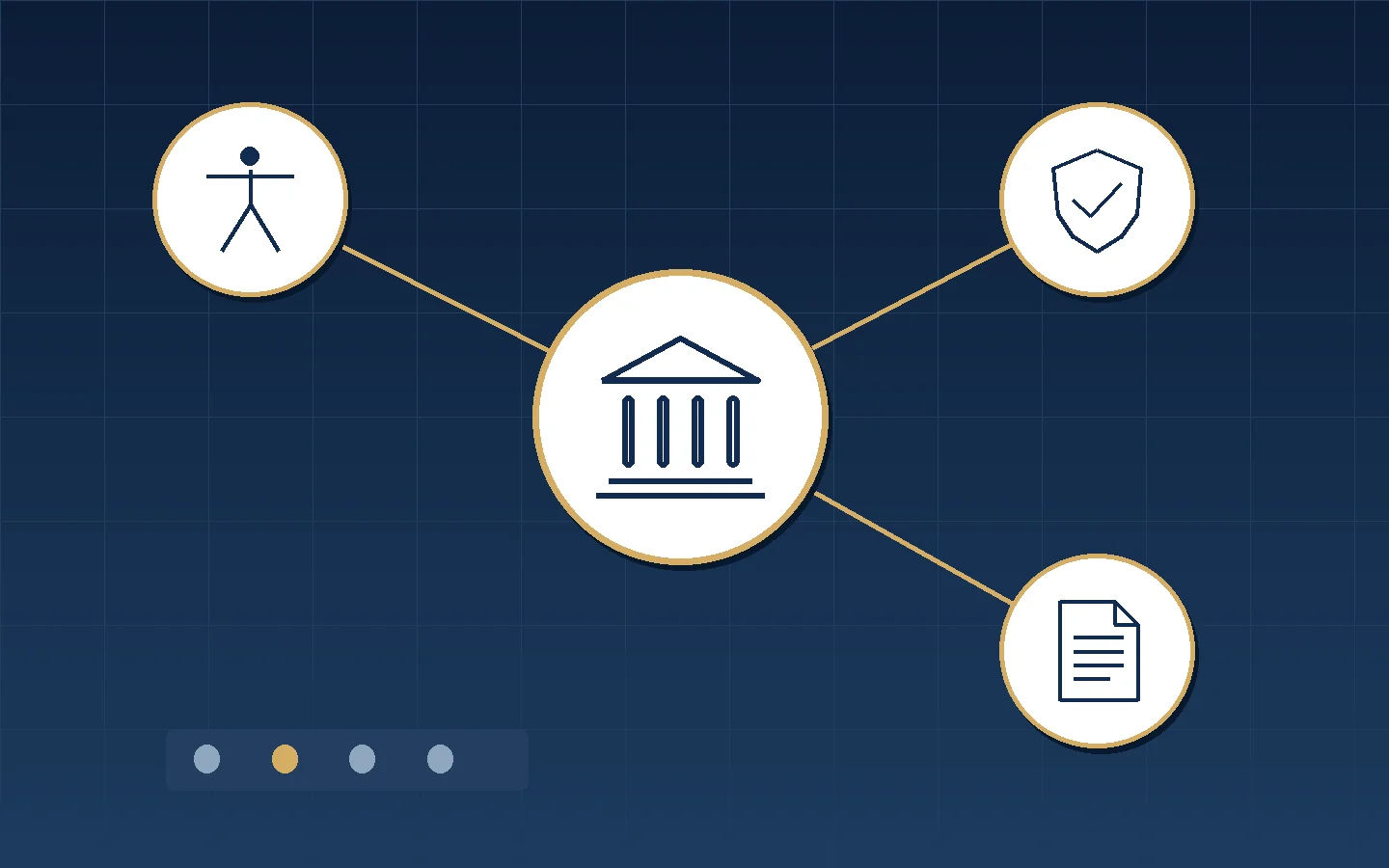
Design digital public services around resident transactions, inter-agency coordination, accessibility, municipal operations and cybersecurity. Start with high-frequency services, statutory authority, lawful data access, human review and verifiable acceptance.
Each solution explains the problem, proposed design and potential verifiable outputs.

Asset exposure and incident workflows are fragmented.
Details →
Data from multiple sources is difficult to verify.
Details →
City systems cannot reliably share data.
Details →
Emergency warnings and responsibilities are fragmented.
Details →
Some residents cannot use existing digital services.
Details →
Residents struggle to find information and assistance.
Details →
Applicants repeat forms and cannot track service progress.
Details →
Agencies need clear AI responsibilities and controls.
Details →Public-sector delivery needs lawful authority, data classifications, procurement review and qualified delivery partners. These plans do not imply awarded government contracts.
Build with defined ownership, staged implementation and acceptance evidence.
Understand goals, users, current systems and constraints.
Define features, architecture, access and ownership.
Build and integrate in verifiable, staged increments.
Test usability, security and agreed outputs.
Document operations, responsibilities and recovery.
Plan changes based on evidence and user feedback.
A practical outline of responsibilities, scope and next steps.
A starting point could be a website, inquiry workflow, systems integration assessment or public-service design. Large programs benefit from a bounded pilot.
No. AI may assist with low-risk work and information tasks. Consequential operations require appropriate permissions, oversight and human approval.
No. Solution pages describe approaches and potential work, not proof of deployed products, government contracts or certifications. Actual scope is agreed in writing.
Describe the goal, current process and expected outcome. The preview provides a local-only brief; formal communication uses confirmed channels.
Describe your goal and your current setup. Start with the next useful step, then select the technology.
Map the citizen and staff journey, confirm policy authority and design interfaces and safeguards around actual service responsibilities.
Clear entry points, requirements, status guidance and accessibility.
Authorized exchange, traceability, minimization and accountability.
Access controls, escalation, continuity and recovery exercise planning.

Illustrative capabilities do not imply public endorsement, certification or completed projects.