Use case
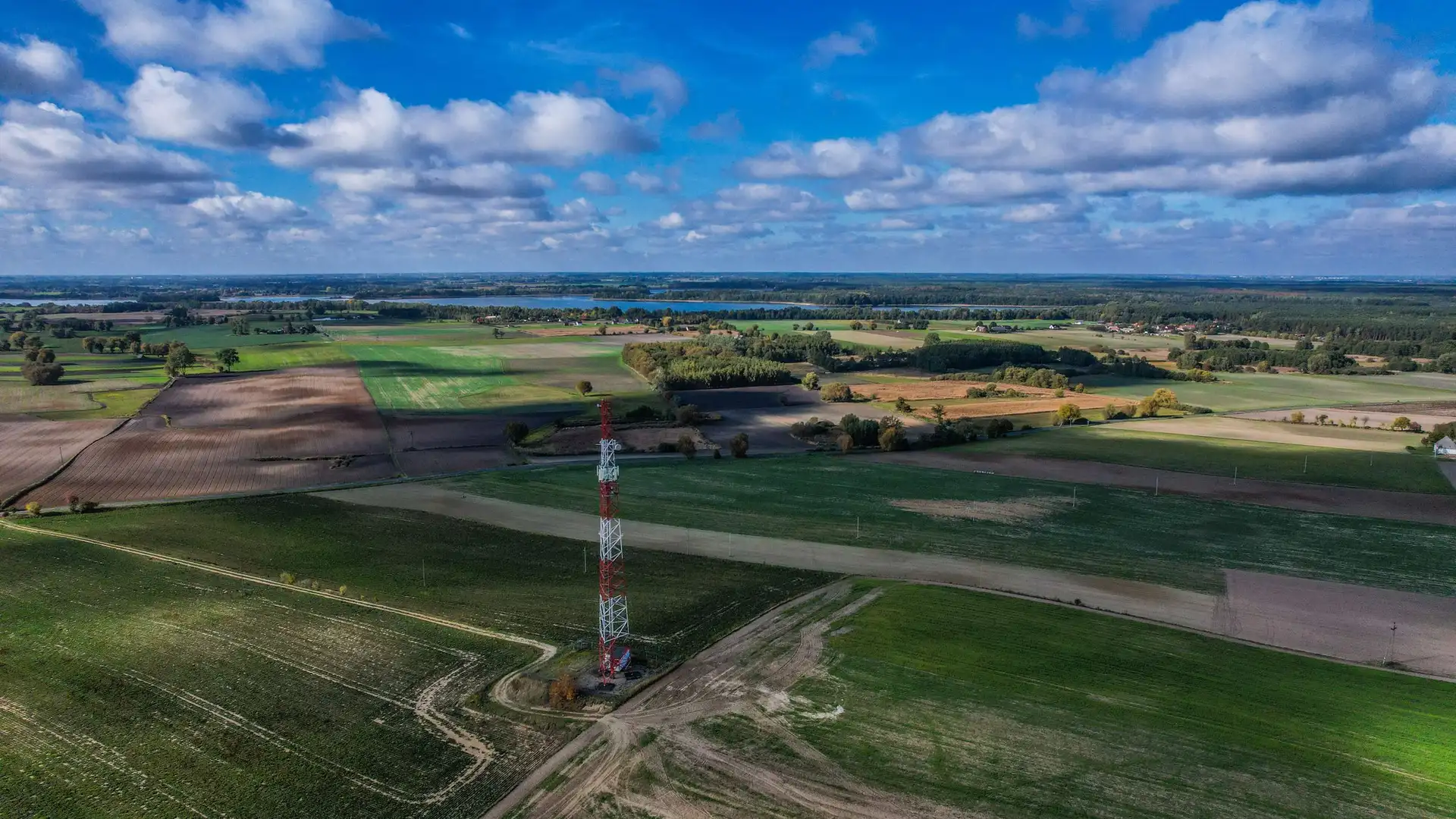
National disaster management and emergency coordination offices. Hypothetical example: During severe weather across regions, authorized agencies share a risk view while local authorities retain command responsibilities.
 GLOBAL AI & DIGITAL SOLUTIONS
Align monitoring, authorities, public notices and service restoration.
Cross-agency preparedness and alerts are inconsistent.
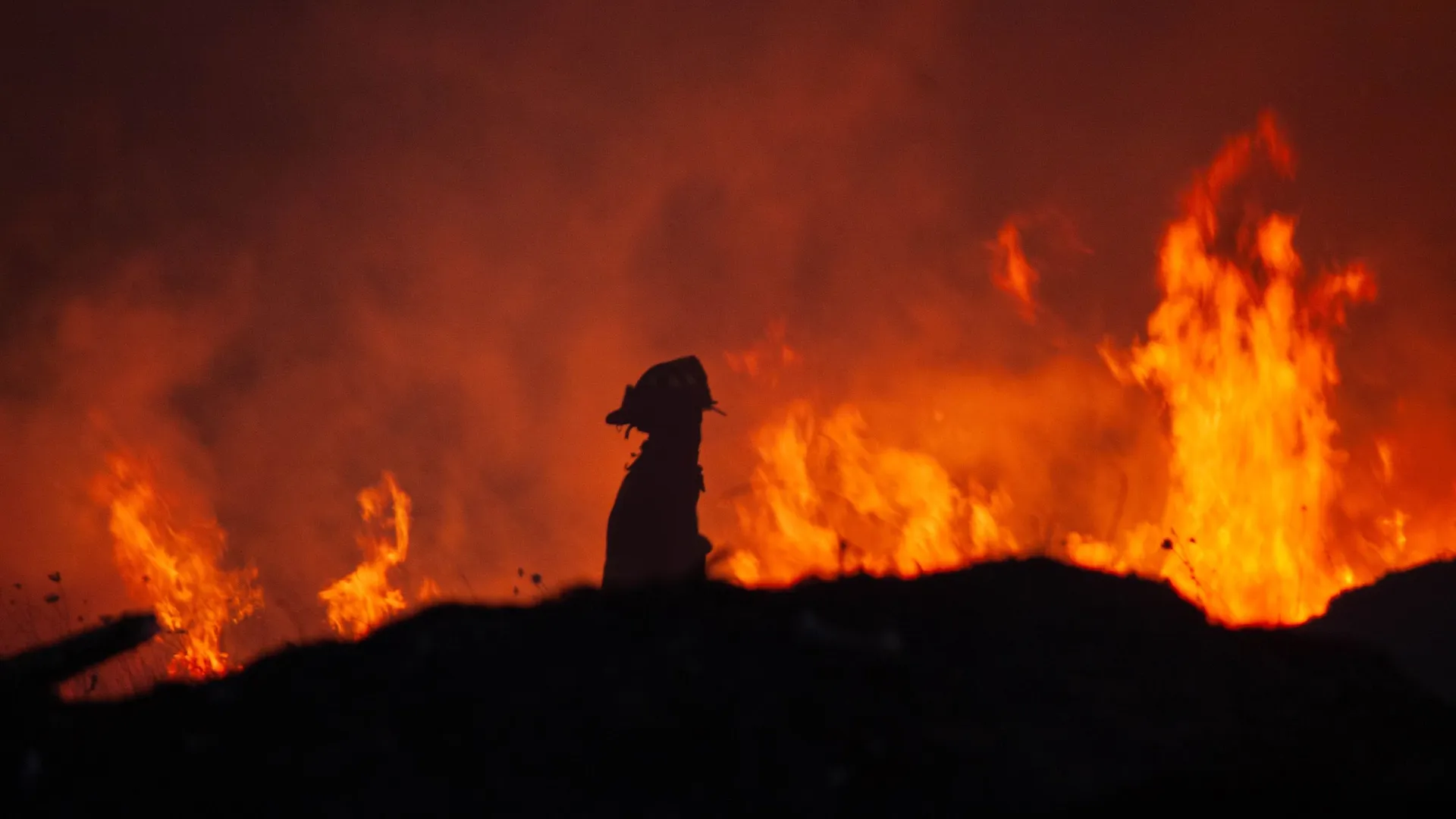
National disaster management and emergency coordination offices. Hypothetical example: During severe weather across regions, authorized agencies share a risk view while local authorities retain command responsibilities.
Design multi-source alerts and coordinated exercises.. Implementation sequence: Analyze → Warn → Coordinate → Recover
Warning architecture; Ownership matrix; Exercise plan
During severe weather across regions, authorized agencies share a risk view while local authorities retain command responsibilities.

Multi-source warnings, fallback channels, drills and restoration plans
Official alerting and command remain with authorized agencies
Analyze: Verify risk and impacts · Warn: Obtain authority review · Coordinate: Align resources by role · Recover: Verify critical services
Build coordinated warning and recovery pathways for national disaster risk
Map hazards, affected regions and critical services.
Plan reliable sources, triggers, review and backup channels.
Design graded response, resource coordination and handoffs.
Define critical-service priorities and joint exercises.
A proposed architecture for this use case, not a claim that the system is already deployed in your organization. Final components, hosting, access and technology choices require discovery.
Regional hazard inputs and owners
Multi-source warnings and redundancy
Cross-region alerting and human command
Outage drills and restoration
Multi-source warnings, fallback channels, drills and restoration plans
Design multi-source alerts and coordinated exercises.
Official alerting and command remain with authorized agencies
Required software, external systems, specialist qualifications and deployment resources depend on the agreed scope.
Alert architecture, exercises and recovery plan.

Exact deliverables, document formats, responsibility and support are confirmed in the written project scope.
Use agreed scenarios, record findings and retests, and obtain approval from accountable owners.
To begin, describe your goals, existing systems, approximate users and required human approvals. Do not send credentials or sensitive information through public forms.
Prepare a project briefNo; connect to legitimate existing systems.
No; reliable observation and expert judgment remain essential.
Define notification, support requests and escalation under statutory responsibilities.
For N08 Disaster risk and resilience, begin with a real use case, existing systems and accountable owners. Bring architecture, outputs and acceptance into one agreed scope.
This preview creates a local-only brief; it does not send information to KINGAI. Formal scope and responsibilities require separate agreement.